
Sneaker Guide (2026): Types of Sneakers & How to Choose the Right Pair
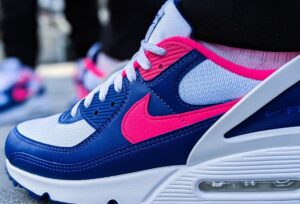
Sneakers aren’t just about style. They’re about comfort, movement, and choosing the right shoe for how you actually use your feet.
Some sneakers are built for running. Others are made for training, court movement, walking, or casual everyday wear. The right choice depends on your activity, foot shape, and how much support or cushioning you need.
Quick Answer: How Do You Choose the Right Sneakers?
The right sneakers depend on how you plan to use them. Running shoes are built for forward motion and cushioning, training shoes support gym workouts, lifestyle sneakers focus on comfort and casual style, and court shoes provide traction for side-to-side movement.
If you’re unsure where to start, first decide whether you need sneakers for performance, everyday comfort, or casual style.
Types of Sneakers
Different sneakers are designed for different jobs. Here are the main types to know before buying:
- Running shoes: Built for forward motion, cushioning, and impact absorption. Start with my running shoes guide if you need help choosing a pair for daily miles or walking comfort.
- Training shoes: Designed for gym workouts, lifting, HIIT, and multi-directional movement. If you train in the gym, my guide to cross-training workouts explains why shoe choice matters.
- Lifestyle sneakers: Made for everyday comfort and casual wear. Sneakers like the New Balance 530 work best as daily lifestyle shoes, not true performance running shoes. If you’re unsure what separates casual sneakers from athletic footwear, start with what makes a shoe casual. For another take on New Balance’s retro-inspired lifestyle designs, I also spotted the New Balance 57/40 Sage/Bleached Lime Glow while visiting Istanbul’s Spice Bazaar.
- Some sports require highly specialized footwear for traction and movement. For example, bowling shoes use slide soles and grip zones designed specifically for lane control. See what top-ranked bowlers wear and how pro bowling shoes differ.
Parkour shoes: Parkour requires a balance of grip, flexibility, secure fit, and ground feel. My guide to choosing shoes for parkour explains what to look for and which types of shoes may work best.
- Climbing shoes are even more specialized, using close-fitting designs and grippy rubber for contact with climbing holds. For a real-world example, see our Five Ten Kirigami climbing shoes article
- Court shoes: Built for traction, stability, and lateral movement in sports like tennis, racquetball, and volleyball. Models like the New Balance 696 show why court shoes need a more locked-in fit than casual sneakers.
- Walking shoes: Designed for all-day comfort, support, and easy movement. If everyday comfort is your main goal, start with my casual everyday shoe guide.
Once you know the category, choosing the right pair becomes much easier.
Few sneakers illustrate the shift from athletic footwear to everyday style better than Converse. My look at the history of Converse Chuck Taylors traces how the shoe went from basketball courts to a lasting street-style icon.
How to Choose the Right Sneakers
Choosing sneakers gets much easier when you stop focusing on brands and start focusing on how you’ll actually use them.
Before buying, ask yourself one simple question:
What will I realistically use these shoes for most?
For Running or Exercise
If you plan to run, walk long distances, or spend time doing cardio, prioritize cushioning, comfort, and shock absorption. Running shoes are designed for forward movement and repeated impact.
Not sure where to begin? Start with my running shoes guide to learn what matters most.
For Gym Workouts and Cross Training
If your workouts involve lifting, HIIT, classes, or side-to-side movement, training shoes are often a better choice than running shoes. They offer more stability for multi-directional movement.
My guide on cross training explains why shoe type matters during workouts.
For Everyday Comfort and Casual Wear
If you want a shoe for errands, travel, casual outfits, or everyday comfort, lifestyle sneakers usually make more sense than performance shoes.
Start with What Makes a Shoe Casual? if you’re unsure what separates casual shoes from athletic sneakers.
For Court Sports
Tennis, racquetball, volleyball, and similar sports require lateral movement, grip, and stability. Court shoes are specifically built to prevent slipping and improve side-to-side support.
For example, shoes like the New Balance 696 are built very differently than casual sneakers because traction and support matter much more on court surfaces.
Fit Matters More Than Brand
One of the biggest mistakes people make is choosing sneakers based on hype or brand name alone.
Fit matters more.
Toe box shape, width, cushioning, and how secure the shoe feels on your foot often matter more than whether the logo says Nike, New Balance, or Adidas.
If sizing tends to be a problem for you, I recommend reading my guide to wide-fit tennis shoes to see how different brands fit in the real world.
Best Tools to Buy Sneakers
Once you know what type of sneaker you need, the next step is finding the right pair at the right price.
Sneaker apps and online platforms can help you track releases, compare prices, check availability, and find hard-to-get models. Some apps focus on new releases, while others are better for resale, deals, or rare finds.
If you want a full breakdown of the best platforms to use, start with my guide to best sneaker apps for finding, buying, and tracking releases.
When Sneaker Apps Help Most
- New releases: Helpful if you want launch alerts or limited drops
- Price comparisons: Useful when comparing retail and resale prices
- Rare finds: Better for older models, special editions, or hard-to-find sizes
- Budget shopping: Helpful when you want to compare deals before buying
Just remember: the app helps you find the shoe. The real decision still comes down to fit, comfort, and how you plan to use it.
Sneaker Materials Explained
The materials used in sneakers affect comfort, weight, durability, breathability, and traction. Two shoes can look similar but feel completely different once you start walking, training, or playing in them.
Midsole Materials
The midsole is the cushioning layer under your foot. Many running, walking, and lifestyle sneakers use foam materials like EVA because they help absorb impact while keeping the shoe lightweight.
Outsole Materials
The outsole is the bottom of the shoe that touches the ground. Rubber outsoles are used for durability and traction, while gum rubber is especially common in indoor court shoes because it grips smooth surfaces well.
If you want a deeper breakdown, read my guide to gum rubber vs EVA soles.
Upper Materials
The upper is the part of the shoe that wraps around your foot. Mesh uppers improve breathability, knit uppers can feel flexible and sock-like, and synthetic overlays may add structure and support.
Why Materials Matter
- Need cushioning? Look for foam midsoles like EVA or Fresh Foam-style cushioning.
- Need traction? Pay attention to outsole rubber and tread pattern.
- Need breathability? Mesh and knit uppers usually feel cooler and lighter.
- Need stability? Look for overlays, wider platforms, or structured uppers.
If you want to go deeper into how cushioning, traction, shoe geometry, and other design features work together, see my Sneaker Science guide to high-performance footwear.
Sneaker Culture and Style
Sneakers started as performance footwear, but today they also sit at the center of casual style, streetwear, nostalgia, and personal identity.
Some sneakers are popular because of how they perform. Others become icons because of the stories, brands, athletes, artists, or communities behind them.
Retro Sneakers and Everyday Style
Retro sneakers continue to come back because they feel familiar, easy to wear, and flexible enough for casual outfits. If you like classic silhouettes and throwback design, explore my guide to retro sneakers making a comeback.
Luxury and Premium Sneakers
Some sneakers lean more into materials, design, and status than sport performance. If you’re considering a collectible or hard-to-find release, my guide to whether limited edition sneakers are worth the hype explains what to consider before paying a premium.
Brand Influence
Brands shape how people think about sneakers. Nike, Adidas, Reebok, Converse, and New Balance all carry different histories, audiences, and style identities.
For a deeper look at how major brands shape sneaker culture, see my article on Nike vs Adidas and their cultural impact.
Sneaker culture can be fun, but fit and function should still come first. The best pair is the one that matches your style and your real daily use.
Featured Sneaker Reviews
If you want real-world insight, start with tested sneaker reviews. These posts break down fit, comfort, sizing, and how each shoe actually performs over time.
New Balance 530 Review
– A lightweight lifestyle sneaker that works best for casual wear, walking, and everyday comfort.
New Balance Fresh Foam X CT-Rally Review
– A modern tennis shoe with Fresh Foam X cushioning, court traction, and a locked-in fit.
New Balance 696v6 Review
– A court-focused tennis shoe with a snug fit and performance feel.
K-Swiss Hypercourt Express 2 Review
– A wide-friendly tennis shoe option based on real sizing experience.
Altra Escalante 4 Review
– A flexible, lightweight shoe with a natural foot shape feel for walking, gym sessions, and daily use.
Use these reviews as real-world examples of how fit, cushioning, and intended use can change from one sneaker to the next.
Common Sneaker Questions
What’s the Difference Between Sneakers and Trainers?
“Sneakers” is a broad term that includes casual shoes, running shoes, training shoes, and lifestyle footwear. “Trainers” usually refer to shoes built for workouts, gym sessions, and cross-training.
If the terminology feels confusing, read my guide explaining sneakers vs trainers.
What Sneakers Are Best for Everyday Wear?
Lifestyle sneakers and walking shoes tend to work best for everyday comfort. Models like the New Balance 530 are popular because they feel lightweight and easy to wear casually.
Are Expensive Sneakers Worth It?
Sometimes. Higher-priced sneakers may offer better materials, cushioning, or construction, but price does not always equal better comfort. The best sneaker is the one that fits your foot and matches how you’ll actually use it.
How Long Do Sneakers Last?
Most sneakers last between 300–500 miles for running shoes or several years for casual wear, depending on use. Cushioning, outsole wear, and support tend to break down before the shoe completely falls apart.
What’s More Important: Style or Comfort?
Ideally, both. But if you’re on your feet often, comfort and fit should come first. A sneaker that looks good but hurts your feet usually ends up sitting in the closet.
Final Thoughts
The best sneakers are not always the most expensive or the trendiest. They’re the ones that match how you actually move, train, and live.
Running shoes, training shoes, court shoes, and lifestyle sneakers are all built differently for a reason. The more clearly you understand how you’ll use your shoes, the easier it becomes to avoid wasted money and uncomfortable purchases.
Use this guide as your starting point, then explore the reviews, comparisons, and category guides throughout the site to narrow down the right fit for your needs.
Still unsure where to begin? Start by identifying whether you need sneakers for running, training, everyday wear, or sport-specific performance — then work outward from there.