
Disclosure: This post contains affiliate links. If you purchase through my links, I may earn a commission at no extra cost to you.
Medical note: I’m not a medical professional. Plantar fasciitis can have multiple causes. If your pain is severe, persistent, or worsening, consider speaking with a qualified healthcare provider.
Best Walking Shoes for Plantar Fasciitis (2026): Cushion, Support & Real-World Buying Guide

If you’ve ever felt that sharp “first step in the morning” heel pain… yeah. Plantar fasciitis is brutal. The good news: the right walking shoes can make day-to-day movement a lot more tolerable.
This guide focuses on what actually matters for plantar fasciitis: heel cushioning, arch support, stability, and fit. I’ll also link you to related walking guides on my site so you can choose based on your exact comfort needs.
What Plantar Fasciitis Usually Needs From a Walking Shoe
- Heel cushioning: To reduce impact and calm down irritated tissue.
- Arch support: Helps reduce strain on the plantar fascia.
- Stable base: Prevents “wobble” and overwork through the midfoot.
- Rocker or smooth transition: Makes walking feel less “slappy” and harsh.
- Enough toe room: Tight toe boxes can change your gait and aggravate things.
Quick tip: If your pain is mostly centered under the heel, you’ll usually benefit from a shoe that’s more cushion-forward. If you also have arch fatigue, you’ll want more structure.
How to Choose the Right Type (Fast Decision Guide)
Start here:
│
├─ Is pain mainly at the heel / first steps?
│   └─ Prioritize: heel cushioning + smooth ride
│
├─ Do you also feel arch fatigue mid-walk?
│   └─ Prioritize: arch support + stable midfoot
│
├─ Do you overpronate or feel unstable?
│   └─ Prioritize: stability features + wider base
│
└─ Do you have diabetes / neuropathy concerns too?
    └─ Prioritize: softer step-in comfort + pressure relief + fit
If you want a related guide for heel-dominant pain, see:
Best Walking Shoes for Heel Pain
My Shortlist of Plantar Fasciitis-Friendly Walking Shoe Features
These are the features I look for first (because they tend to matter more than marketing claims):
- Supportive heel counter (a stable heel cup)
- Midsole that doesn’t bottom out after a week
- Arch support that feels “present” but not sharp
- Roomy fit options (wide widths if needed)
- Removable insole if you use orthotics
Recommended Walking Shoe “Types” (So You Can Pick the Right Category)
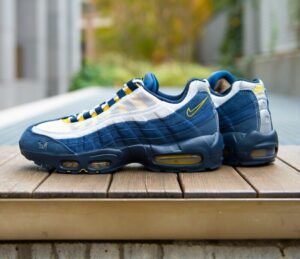
Instead of pretending there’s one magical shoe for everyone, here are the categories that tend to work best. Use the one that matches your foot and walking style.
1) Cushion-Forward Walking Shoes
Best when heel pain is your #1 issue and you want the most forgiving step.
- Pros: softer landings, less impact, comfortable for longer walks
- Cons: can feel unstable if you overpronate heavily
2) Stability Walking Shoes
Best if your heel pain is paired with overpronation or a “collapsing arch” feeling.
- Pros: more guided support, stable base, better alignment feel
- Cons: can feel firmer or more “structured”
3) Wide-Foot Friendly Comfort Shoes
Best if you need room (wide widths) and want to avoid pressure points that trigger compensation.
- Pros: less squeezing, more natural toe splay, often more comfortable for daily wear
- Cons: some models run “bulky”
Quick Comparison Table: Which Guide Should You Read Next?
| Concern | Best Next Read | Why It Helps |
|---|---|---|
| Heel pain / plantar fasciitis overlap | Heel Pain Walking Shoes | Targets cushioning + heel comfort choices |
| Diabetes-focused comfort & pressure relief | Diabetic Walking Sneakers | Fit + comfort considerations that matter for sensitive feet |
| Nerve sensitivity / burning / numbness | Walking Shoes for Neuropathy | Prioritizes softness, protection, and irritation reduction |
| Foot stability & gait issues | Shoes for Foot Drop | Focuses on stability, support, and safer walking mechanics |
| Full walking overview | Walking Shoes Hub Guide | Best place to start if you’re comparing categories |
A Real-World Option Worth Considering
If you prefer a lighter, natural-feeling shoe for everyday walking and gym use, you may also want to check out my review of the
Altra Escalante 4.
Note: This is not a blanket “best for plantar fasciitis” claim — it’s a real model reference for people who do better in a more natural platform. If you need maximum heel cushioning, you’ll likely want a more cushion-forward category shoe.
Where to Buy
If you’re looking for walking shoes that balance cushioning, comfort, and everyday usability, here are a couple of safe starting points based on models I’ve personally tested and current options available:
Check price and availability for the Altra Escalante 4 on Amazon
I’ve used the Escalante 4 personally and found it comfortable for walking and daily wear. It offers a balanced platform and natural fit that works well for many walkers, depending on your cushioning preferences.
Browse current walking shoes designed for cushioning and support on Amazon
This lets you compare multiple current models, sizes, and widths. Always prioritize fit, return policy, and comfort over brand name.
For a broader overview of walking shoe types and comfort considerations, see my complete walking shoes guide.
Tip: If you’re dealing with plantar fasciitis, comfort and proper fit matter more than hype. When possible, choose a retailer with easy returns so you can test the shoes at your pace.
Final Thoughts
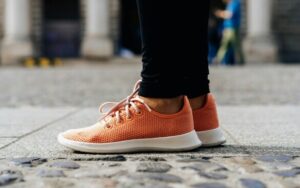
Plantar fasciitis can make walking feel like a chore, but the right shoe category can dramatically reduce discomfort — especially when it’s matched to your specific symptoms (heel-focused pain vs arch fatigue vs stability needs).
If you want the fastest next step, start here and look around, based on your needs: