
Disclosure: This post may contain affiliate links. If you purchase through my links, I may earn a commission at no extra cost to you.
Athletic Shoe Materials Explained: EVA, Gum Rubber, Mesh & More
When people shop for athletic shoes, they usually focus on brand names or style. But what really determines how a shoe feels and performs is the materials used to build it.
From EVA foam midsoles to gum rubber outsoles and breathable mesh uppers, every component of a shoe plays a role in comfort, traction, durability, and performance.
If you’ve ever wondered why running shoes feel soft while court shoes grip the floor so well, the answer almost always comes down to materials. In this guide, we’ll break down some of the most common athletic shoe materials and explain how they affect the way a shoe performs.
EVA Foam: Lightweight Cushioning for Running
One of the most common materials used in athletic shoes is EVA (ethylene-vinyl acetate). EVA foam is typically found in the midsole, which is the cushioning layer between the upper and the outsole.
The main advantages of EVA foam are:
Lightweight cushioning
Shock absorption
Flexible comfort for long distances
This is why EVA is used so often in running shoes and everyday trainers. The foam compresses slightly with each step, helping absorb impact while keeping the shoe relatively light.
However, EVA isn’t ideal for every sport. While it provides excellent cushioning, it doesn’t always offer the firm stability needed for sports with aggressive lateral movement.
If you want a deeper breakdown of how EVA compares with another common outsole material, check out my guide on gum rubber vs EVA soles.
Gum Rubber: The Secret Behind Indoor Court Grip
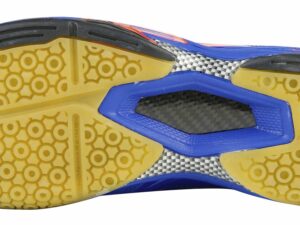
If you’ve ever played volleyball, racquetball, badminton, squash, or table tennis, you’ve probably seen shoes with gum rubber outsoles.
Gum rubber is a natural rubber compound known for its exceptional grip on indoor courts. Unlike harder rubber compounds, gum rubber remains slightly tacky, which helps players maintain traction during quick lateral movements.
This is why it appears so frequently in indoor court sports shoes, including:
Badminton shoes
The biggest advantage of gum rubber is traction. It allows athletes to stop, pivot, and change direction quickly without slipping.
The tradeoff is that gum rubber can wear down faster outdoors, which is why it’s usually reserved for indoor sports environments.
Mesh Uppers: Breathability and Lightweight Comfort

Another major component of athletic shoes is the upper, the part that wraps around your foot.
Many modern shoes use mesh uppers, which are lightweight woven fabrics designed to increase airflow and reduce overall shoe weight.
Mesh provides several benefits:
Improved breathability
Reduced shoe weight
Flexible comfort around the foot
This is especially useful for running shoes and lifestyle sneakers, where long periods of wear can lead to heat buildup.
For example, many retro-inspired lifestyle sneakers—including models like the New Balance 530—use breathable mesh combined with synthetic overlays. This combination allows the shoe to remain lightweight while maintaining structure and durability.
Mesh uppers have become so common that they now appear in everything from performance running shoes to casual everyday sneakers.
Rubber Outsoles: Durability and Traction
The outsole is the bottom layer of the shoe that directly contacts the ground.
Most athletic shoes use some form of rubber outsole because rubber provides:
Grip on different surfaces
Resistance to wear and abrasion
Flexibility during movement
However, not all rubber outsoles are the same.
Different sports require different types of traction patterns. For example:
Running shoes often use segmented rubber for flexibility.
Tennis shoes use durable rubber for hard court wear.
Court shoes often use gum rubber for maximum grip indoors.
The type of rubber used can dramatically affect how a shoe performs during athletic movement.
Synthetic vs Leather Uppers
Another common material decision in athletic shoes is the choice between synthetic materials and leather.
Synthetic Uppers
Synthetic materials are widely used in modern performance footwear because they are:
Lightweight
Flexible
Resistant to moisture
Easy to maintain
They also allow manufacturers to create more precise structural designs.
Leather Uppers
Leather uppers are less common in modern athletic footwear but still appear in certain categories.
Leather offers:
Durability
Structure and support
A classic look and feel
However, leather tends to be heavier and less breathable than modern synthetic materials.
Why Materials Matter for Different Sports
The reason athletic shoes vary so much between sports is because each sport requires a different combination of materials.
For example:
Running shoes
EVA foam cushioning
Breathable mesh uppers
Flexible rubber outsoles
Indoor court shoes (racquetball, volleyball, table tennis)
Gum rubber traction
Stable midsoles
Lightweight construction
Tennis shoes
Durable rubber outsoles
Reinforced uppers for lateral stability
Boxing shoes
Lightweight materials
Thin soles for agility
Each sport places different demands on the athlete’s feet, which is why material selection plays such a critical role in footwear design.
Final Thoughts
Athletic shoes may look similar on the outside, but the materials used to build them can dramatically change how they perform.
Understanding the basics of EVA foam, gum rubber, mesh uppers, and rubber outsoles can help you choose the right shoe for your sport, playing style, and comfort preferences.
The next time you’re shopping for athletic footwear, pay attention not just to the brand or style—but also to the materials that make the shoe work.