
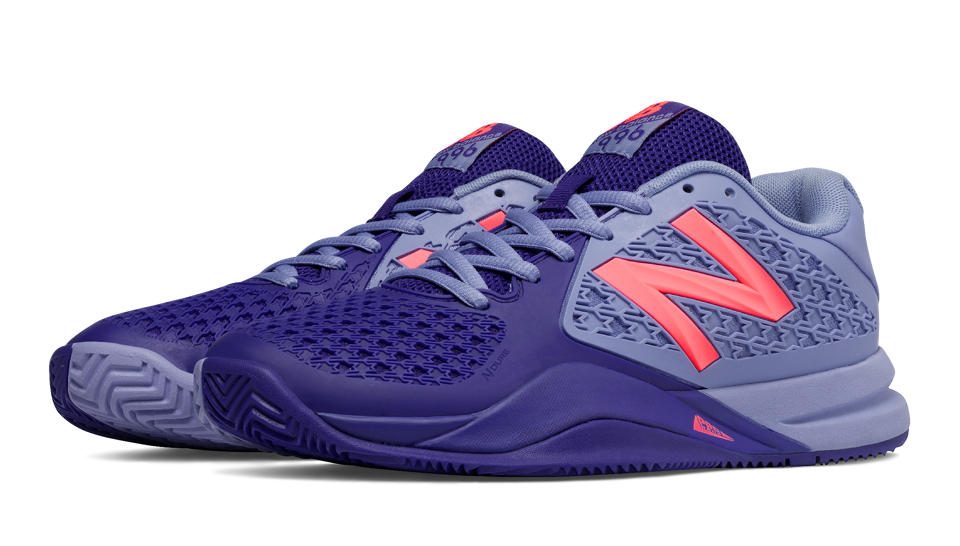
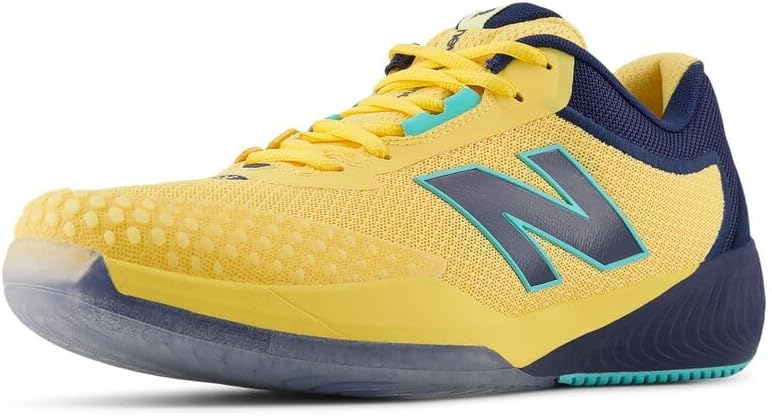
New Balance Tennis Shoe Model Numbers Explained (Old vs New Models)
If you’ve worn New Balance tennis shoes for years, you’ve probably noticed something confusing: model numbers disappear, new ones show up, and it’s not always clear what replaced what.
This guide explains how New Balance tennis shoe model numbers have changed over time, which current models most closely match discontinued favorites, and how to choose the right replacement today.
Whether you loved the NB 1296, 786, or an older version of the 696, this page will help you translate those older model numbers into modern options that actually make sense.
Why New Balance Tennis Shoe Model Numbers Change
New Balance updates tennis shoe model numbers for a few key reasons:
- Technology updates: cushioning foams, uppers, and outsoles evolve.
- Fit refinements: toe box shape, midfoot lockdown, and heel structure change.
- Catalog simplification: older lines are consolidated into clearer performance tiers.
When a model is discontinued, it doesn’t mean it “failed.” In most cases, it simply means the design has been absorbed into a newer line with updated materials and construction.
New Balance Model Number Translation
- First 1-2 Digits (990, 880): Indicate the shoe’s tier/series. The higher the number the more tech and a more premium model.
- Last 2 Digits (40, 60, 80): Define the shoe’s purpose ( 40=Higher Stability , 70= Lighhter Stability, 80=Neutral fit). 90 & 00 = the most lightweight models, and more geared toward competitive use.
- “v” (Version): The number after ‘v’ (v4, v5, v6) shows the generation/update of that specific model.
- Letters: Often signal a retro-inspired or re-engineered version of an older classic.
Recently, for Tennis Shoes New Balance has been using names (Coco CG2 or Fresh Foam X Rally), so this makes the direct comparison a little bit tricker but the above guide should help if you are checking out the numbered models.
Old New Balance Tennis Models → Current Replacements
Below is a practical translation table showing how discontinued New Balance tennis shoes generally map to current models. These are not exact copies, but they are the closest functional equivalents.
| Discontinued Model | Closest Current Model | What Changed |
|---|---|---|
| New Balance 1296 | New Balance Fresh Foam X CT Rally | Similar stability focus with lighter build and updated cushioning |
| New Balance 786 | New Balance 796 | If you previously wore the New Balance 786, you can read our original review for fit and performance context. |
| New Balance 696 v4 | New Balance 696 v6 | Same line with refined upper, improved durability, and updated fit |
| New Balance 996 | New Balance Coco Delray | Modern materials replace the older build |
If you want deeper breakdowns, you can read our full reviews of the New Balance 696 and the New Balance 996 v6.
Are Replacement Models Exactly the Same?
No — and that’s important to understand.
While replacement models aim to serve the same type of player, you may notice differences in:
- Midsole firmness or responsiveness
- Upper materials and breathability
- Overall weight and flexibility
For example, newer models tend to feel lighter and more responsive, but sometimes trade off the “tank-like” durability older shoes were known for.
This doesn’t make them worse — just different.
How to Choose the Right Replacement Model
If you’re replacing an older New Balance tennis shoe, focus on function first, not the model number.
- If you liked stability and support: Look at the 696 line.
- If you liked lighter weight and flexibility: The 996 or Coco Delray is usually the better match.
- If you are looking for top of the line, performance based shoe with premium features: Check out the Fresh Foam X- CT Rally or the Coco CG2
- If you’re new to tennis shoes: Start with our Beginner Tennis Shoes Guide.
Court surface, playing frequency, and foot width matter more than chasing an exact replacement.
Frequently Asked Questions
Why did New Balance discontinue older tennis shoe models?
Most models are discontinued due to design updates, not performance issues. New Balance frequently consolidates older lines into newer versions.
Are older New Balance tennis shoes better than new ones?
Not necessarily. Older models were often heavier and more durable, while newer models focus on lighter weight and improved responsiveness.
How This Page Fits Into Our Tennis Shoe Reviews
This guide is designed to support our full tennis shoe coverage. If you’re researching specific models, you may also find these helpful:
If you’re browsing older reviews, use this page as a reference to find the most relevant modern alternatives.
Final Take
New Balance tennis shoe model numbers can feel confusing, especially if you’ve worn the brand for years. But once you understand how older models translate to current lines, choosing the right shoe becomes much easier.
This page will continue to be updated as New Balance releases new versions, so feel free to bookmark it if you’re comparing past and present models.