
What Is a Trail Running Shoe?
And Why Hikers Are Wearing Them More Often
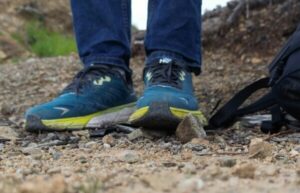
Many people first hear about trail running shoes when shopping for hiking footwear.
They look lighter than hiking shoes, more rugged than sneakers, and less bulky than boots — which leads to the obvious question:
What exactly makes a shoe a “trail running shoe”?
A trail running shoe is built for moving efficiently across natural terrain. Instead of maximizing speed on pavement, it balances grip, stability, and comfort on dirt, rock, and uneven ground.
If you’re exploring off-road running options, see our full guide to trail running shoes for a deeper breakdown of features, terrain, and shoe types.
That design turns out to work extremely well for everyday hiking too.
The Purpose of a Trail Running Shoe
Trail runners are made for uneven surfaces, constant small adjustments in footing, and long time on your feet.
Rather than locking your foot in place, they allow controlled movement while still protecting you from the ground.
That’s the biggest difference compared to traditional hiking shoes — they support motion instead of restricting it.
Key Features That Define a Trail Running Shoe
1. Grippy Outsole
Trail shoes use deeper rubber lugs than road shoes to grab dirt, gravel, and rock. The goal isn’t just traction — it’s predictable footing while moving.
2. Flexible Midsole
Unlike stiff hiking footwear, trail runners bend with your stride. This reduces fatigue over distance because your foot moves naturally instead of fighting the shoe.
3. Protective Upper
They include reinforced areas around the toes and sides to handle rocks and debris without becoming heavy.
4. Balanced Cushioning
Trail runners aren’t ultra-soft like road running shoes. They cushion impact while still letting you feel the ground enough to stay stable.
How They Differ From Road Running Shoes
Road shoes prioritize smooth surfaces. Trail shoes prioritize control.
| Road Running Shoes | Trail Running Shoes |
|---|---|
| Smooth outsole | Lugged outsole |
| Maximum cushioning | Balanced cushioning |
| Lightweight mesh | Reinforced upper |
| Built for pavement | Built for terrain |
Because of these changes, trail shoes feel more secure off-road.
Why Hikers Use Them
Most modern hikes are day hikes, mixed terrain, long distances, and lighter packs.
Trail running shoes match those conditions well. They’re lighter than hiking shoes, require little break-in time, and stay comfortable for hours — which is why many hikers now prefer them for everyday use.
When Trail Running Shoes May Not Be Ideal
They’re not perfect for everything.
Traditional hiking shoes still make more sense if you:
- Carry heavy loads
- Hike very sharp rocky routes
- Want maximum foot protection
- Prefer stiff support
Trail shoes favor comfort and movement over structure.
The Middle Ground
Some footwear sits between both categories — supportive but still flexible. These hybrid styles are common on modern trails where terrain and pavement often mix.
That’s why choosing the right model matters more than choosing the right category.
You can see practical examples inside the best trail running shoes for hiking guide.
Final Thoughts
A trail running shoe isn’t just a running shoe used off-road.
It’s footwear designed to move naturally across uneven terrain while staying comfortable for long periods — which happens to align closely with how many people hike today.
Because of that overlap, trail shoes have become one of the most practical options for everyday outdoor use.
If you’re exploring off-road running options, see our full guide to trail running shoes for a deeper breakdown of features, terrain, and shoe types.
Related: Trail Running & Hiking Shoes Hub