
Best Running Shoes for Everyday Runners
Comfort, Support, and Real-World Use
Not everyone who runs is chasing PRs or training for a marathon.
Most of us run a few days a week. We walk a lot. We hit the gym. We mix movement styles.
This guide is for that kind of runner.
This isn’t a “top 10 fastest running shoes” list. It’s a practical breakdown of running shoes that actually work for everyday runners — people who care about comfort, support, and staying healthy more than shaving seconds off a mile.
Everything below is based on real use, not spec sheets.
What “Everyday Runner” Actually Means
An everyday runner usually:
- Runs a few times per week, not twice a day
- Walks a lot outside of runs
- Uses the same shoes for gym sessions or errands
- Cares about comfort and injury prevention
- Wants shoes that feel good after the workout too
If that sounds like you, you’re in the right place.
How to Choose the Right Running Shoe (Without Overthinking It)
You don’t need to memorize biomechanics terms. You just need to answer a few honest questions.
Ask yourself this first:
- Do I prefer freedom and flexibility, or structure and support?
- Do my feet feel better in minimal shoes or stable ones?
- Am I mostly running… or doing a mix of running, walking, and training?
From there, the right category usually becomes obvious.
Best Flexible & Natural Option
Altra Escalante 4
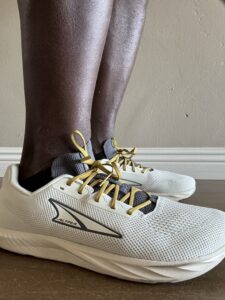
If you like shoes that get out of the way, the Escalante 4 stands out.
This is a zero-drop shoe with a flexible platform and a roomy toe box. It doesn’t guide your foot or correct your movement — it simply lets your foot move naturally.
I used the Escalante 4 extensively for walking, gym workouts, treadmill cardio, and dance-based classes.
The comfort is excellent, and the shoe feels natural underfoot almost immediately.
That said, durability was a real downside in my experience. The outsole and upper showed wear sooner than expected, even without outdoor running mileage.
Who it’s best for:
- Runners transitioning into zero-drop shoes
- People who dislike stiff or structured footwear
- Walkers and gym users who value flexibility
- Anyone who wants a natural, low-interference feel
You can read my full, hands-on Escalante 4 review for comfort, fit, and durability details.
Best Supportive & Stability-Focused Option
Altra Paradigm 7
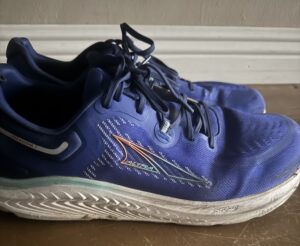
If the Escalante is about freedom, the Paradigm 7 is about support.
This shoe uses a guided platform, meaning it gently keeps your foot centered and stable without forcing or correcting your stride.
I didn’t log road miles in the Paradigm 7. I used it for walking, gym workouts, everyday movement, and dance-based training.
That usage revealed its biggest strength: stability that doesn’t feel rigid or intrusive.
The platform feels wide, calm, and confidence-building — especially during lateral movement or long periods on your feet.
Who it’s best for:
- Walkers or runners who want extra stability
- Heavier athletes who benefit from a wider base
- Gym users who need support during varied movement
- Runners looking for a supportive off-day or recovery shoe
I break down how the Paradigm 7 feels in real movement in my full review.
Best Traditional Stability Reference
Hoka Arahi 6

Not everyone wants zero-drop or a guided platform.
The Arahi 6 represents traditional stability done well. It provides structure through its design rather than flexibility or freedom.
Compared to the Paradigm 7, the Arahi feels more conventional, with more noticeable guidance and a firmer, more controlled ride.
For runners who’ve worn stability shoes for years, this familiarity can be reassuring.
The Arahi works well as a reference point when deciding between traditional stability, guided platforms, or fully neutral shoes.
You can read my full Arahi 6 review for fit and stability impressions.
How to Build a Simple Shoe Rotation
You don’t need five pairs of shoes. But two can make a big difference.
A simple everyday rotation might look like:
- A flexible shoe like the Escalante 4 for walking, gym use, and lighter days
- A supportive shoe like the Paradigm 7 or Arahi 6 for longer days or recovery
Rotating shoes can reduce repetitive stress, extend shoe lifespan, and keep your feet feeling fresher.
It doesn’t need to be complicated.
Final Thoughts
The best running shoe isn’t universal.
It depends on how you move, how often you run, how much you walk or train outside of running, and what your feet feel best in.
If you value freedom and flexibility, start with the Escalante 4.
If you want support without stiffness, the Paradigm 7 makes sense.
If you prefer a traditional stability feel, the Arahi 6 is a solid reference.
The goal isn’t hype. It’s staying comfortable, consistent, and injury-free.
That’s what everyday running is really about.
If you want to check current pricing or available sizes for any of the shoes mentioned above, you can do so through the individual review links.