
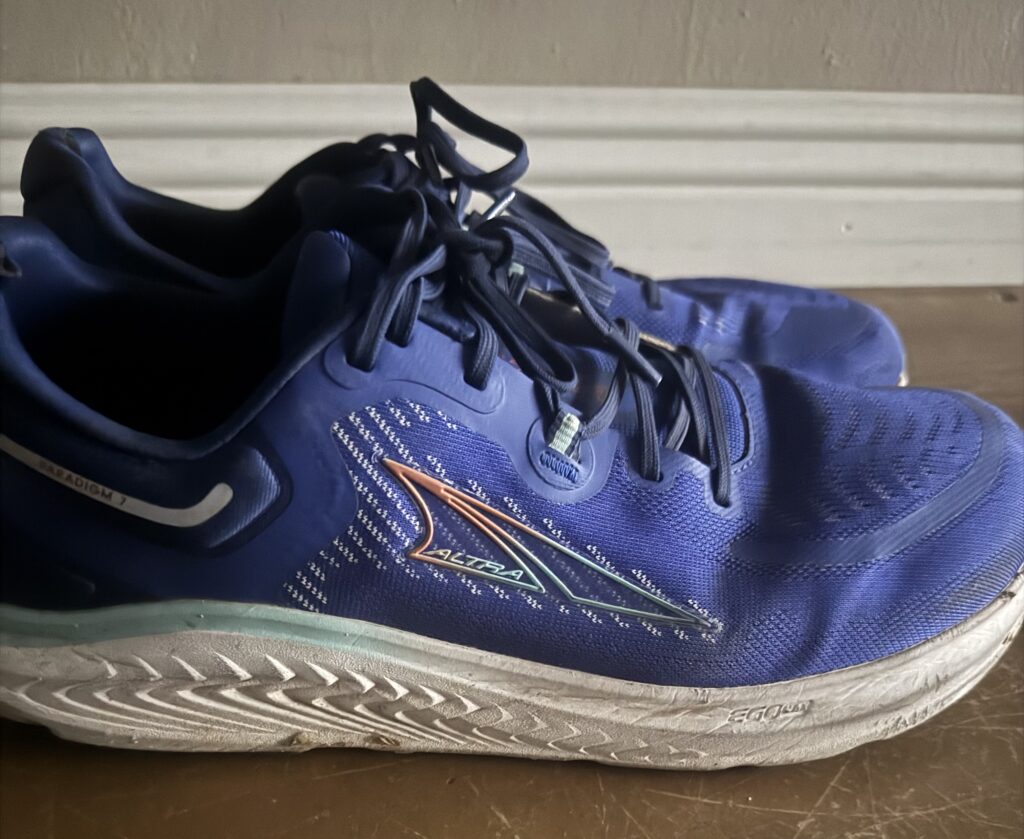
Altra Paradigm 7 Review: Stability and Comfort Beyond Running Miles
Before we get into the details, I want to be clear about how I used this shoe.
I didn’t log road miles in the Altra Paradigm 7. Instead, I wore it for walking, gym workouts, and dance-based training like Zumba.
This is not a pace test or a long-run breakdown. This is a hands-on review focused on stability, comfort, and how the shoe behaves during real movement — the kind of movement many runners actually do between runs.
Where the Paradigm 7 Fits in the Altra Lineup
The Paradigm has always been Altra’s max-stability option.
It’s not minimalist. It’s not flexible-first. And it’s definitely not built for speed.
The Paradigm is designed for guidance, structure, and protection — especially for people who want support without feeling like their foot is being forced into position.
Think of Altra’s lineup like this:
- Escalante → freedom and flexibility
- Paradigm → guidance and structure
Fit & Sizing (Walking + Training Use)
Fit is where the Paradigm 7 immediately separates itself from most stability shoes.
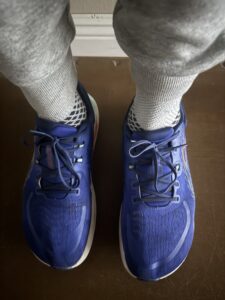 The toe box is roomy without feeling sloppy. During long walks, my toes never felt cramped or pressured, even later in the day when feet naturally swell.
The midfoot is where the structure shows up. There’s a centered, secure feeling that keeps your foot from drifting side to side, especially noticeable during lateral movement.
The heel stayed locked in during walking, turning, and quick transitions. No slipping. No hot spots.
I didn’t experience a harsh break-in period. The shoe felt supportive right out of the box.
Stability & Support During Movement
This is where the Paradigm 7 really earns its name.
During walking, the shoe feels guided rather than corrective. It gently nudges your foot into a stable path instead of forcing it there.
During dance-style workouts with a lot of side-to-side motion, the platform stayed calm and predictable. I never felt like I was tipping over the edge of the sole or fighting the shoe to stay balanced.
In the gym, especially during controlled movements like lunges or machine work, the Paradigm felt planted and secure. The wide base works in your favor when weight shifts quickly.
This is stability that fades into the background — which is exactly what you want.
Comfort Over Time (All-Day & Workout Use)
Comfort held up well over extended wear.
After long walks and full workout sessions, my feet didn’t feel beat up. Cushioning felt consistent rather than mushy, and I didn’t notice pressure building under the arch or heel.
Heat buildup was reasonable, even during outdoor workouts.
Most importantly, my feet felt normal afterward — no lingering soreness and no rush to take the shoes off.
Gym & Cross-Training Performance
For gym use, the Paradigm 7 sits in a comfortable middle ground.
It’s stable under load and feels secure for strength training. Squats, lunges, and machine work all felt controlled and balanced.
That said, it’s still a cushioned, higher-stack shoe. If you prefer a very low-to-the-ground feel for fast or explosive workouts, it may feel higher or more stacked than what you’d like.
Comparison: Paradigm 7 vs Other Shoes I’ve Used
Compared to the Altra Escalante 4, the Paradigm feels much more structured. The Escalante lets your foot move freely, while the Paradigm keeps things centered and supported.
Compared conceptually to a traditional stability shoe like the Hoka Arahi 6, the Paradigm feels less rigid and less intrusive. Instead of correcting your stride, it supports it.
Who the Paradigm 7 Works Best For
- Walkers who want serious stability and cushioning
- Gym users who need support during varied movement
- Heavier athletes who benefit from a wide, stable platform
- Runners looking for a supportive off-day or recovery shoe
Who Should Skip the Paradigm 7
- Runners who prefer very flexible or minimalist shoes
- People who want a light, fast, low-profile feel
- Athletes doing mostly speed or agility-based workouts
- Anyone who dislikes structured or guided shoes
The Paradigm 7 is built to support and steady, not to feel light or fast.
Durability & Build Quality (So Far)
Build quality looks solid so far.
The upper has held up well to walking and gym use, and outsole wear looks normal. What I can’t judge yet is long-run foam compression or high-mileage durability — and I’m intentionally not guessing.
Does the Paradigm 7 Belong in a Running Rotation?
For some runners, yes — off the run.
Many runners use highly stable shoes for walking-heavy days, gym sessions, or recovery. In that context, the Paradigm 7 makes sense.
Just don’t treat this as a replacement for a lighter, run-focused trainer unless you’ve tested it that way yourself.
Final Verdict
The Altra Paradigm 7 isn’t about speed or efficiency. It’s about support, stability, and comfort across movement.
Based on walking, gym training, and dance-style workouts, it delivers exactly what it promises without feeling harsh or overbearing.
If you’re looking for a shoe that keeps you stable and comfortable for long periods of time, the Paradigm 7 is absolutely worth considering — as long as you understand what it’s designed to do. If you’re still deciding, this running shoes guide for everyday runners breaks down how different shoe types compare.
If the Paradigm 7 sounds like a good fit for your needs, you can check current pricing and available sizes here.