
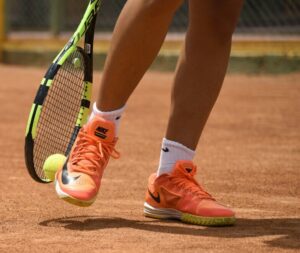
Clay Court Tennis Shoes (2026 Guide): Do You Really Need Them?
Disclosure: This post may contain affiliate links. As an affiliate, we may earn a commission from qualifying purchases at no extra cost to you.
Clay court tennis shoes are built differently than hard court shoes — and the difference isn’t just cosmetic. From the outsole pattern to how the shoe handles sliding, clay-specific models are designed for a slower, looser, and more slippery surface.
Quick Answer: If you regularly play on red or green clay and rely on sliding into shots, clay court tennis shoes are worth it. If you primarily play on hard courts, standard hard-court tennis shoes are usually the better choice.
What Makes Clay Court Tennis Shoes Different?
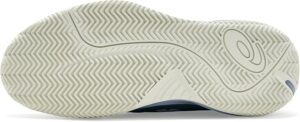
The biggest difference is the outsole. Clay court shoes typically use a tight herringbone tread pattern designed to:
- Provide controlled traction (so you can slide without wiping out)
- Reduce clay buildup in the tread
- Maintain more consistent grip during quick stops and direction changes
You’ve probably seen players tap their racquet against the side of their shoe mid-match. A common reason is to knock clay loose from the tread so traction stays consistent.
Red Clay vs Green Clay: Does It Change Your Shoe Choice?
There are two main types of clay courts: traditional red clay (common in Europe) and green clay, often referred to as Har-Tru in the United States. Red clay tends to play a bit slower and looser, while green clay is often slightly firmer and faster.
From a footwear perspective: you don’t need different shoes for red vs green clay — you just want a clay-specific outsole (tight herringbone) to manage traction and clay buildup.
Clay vs Hard Court Tennis Shoes
| Feature | Clay Court Shoes | Hard Court Shoes |
|---|---|---|
| Outsole Pattern | Tight herringbone | Varied patterns, built for abrasion |
| Traction Style | Controlled grip + sliding support | More bite + stop/start durability |
| Clay Buildup | Designed to resist clogging | Can clog faster on clay |
| Durability Focus | Moderate | High (hard courts chew shoes up) |
| Best For | Regular clay play, sliding, tournaments | Hard courts, frequent play, max durability |
Do You Actually Need Clay Court Shoes?
You probably need clay shoes if:
- You play regularly on red or green clay courts
- You slide into shots (or want to learn to slide safely)
- You compete in clay-court leagues or tournaments
You probably don’t need clay shoes if:
- You mostly play on hard courts
- You play casually and aren’t sliding much
- You want maximum outsole durability (hard-court-focused shoes usually win here)
Can You Use Hard Court Shoes on Clay?
Yes — plenty of recreational players do. But expect a different feel. Hard-court outsoles can trap clay more easily, which can reduce traction and make movement feel less predictable. If you play clay often, a clay outsole is a worthwhile upgrade for consistency and confidence.
Best Clay Court Tennis Shoes
Most major brands offer clay-specific versions of their flagship tennis shoes. When shopping, look for “Clay” or “Clay Court” in the model name. The biggest tell is still the outsole: tight herringbone.
Instead of chasing a massive list, I recommend choosing a model category that matches how you play (beginner, speed, durability, comfort, wide fit) — then selecting the clay version of that category when available.
👉 Start here: Best Tennis Shoes for Every Player Type (2026)
Final Thoughts
Clay court tennis shoes aren’t mandatory for everyone — but if you play clay regularly, they can make movement feel more controlled and consistent (especially when sliding). Pick your shoe based on your primary court surface and how you move, not just the label on the box. If you’re wondering how long this model typically lasts, see our Tennis Shoe Lifespan Guide.