
Why Tennis Shoes Matter (Especially for Beginners)
Running shoes are built for straight-line motion.
Tennis isn’t.
Tennis requires:
Sudden stops
Lateral cuts
Side-to-side shuffles
Toe dragging on serves
Tennis shoes are designed with lateral stability, reinforced uppers, and durable outsoles to handle these movements safely. Wearing the wrong shoe increases the risk of:
Ankle rolls
Slipping
Premature shoe breakdown
For beginners, the right shoe builds confidence and helps you focus on learning the game — not worrying about your feet.
What Beginners Should Look For in a Tennis Shoe
1. Stability Comes First
As a beginner, you’ll spend a lot of time adjusting footwork and reacting late. A stable base helps keep you upright and balanced during side-to-side movement.
Look for:
A wider outsole base
Reinforced midfoot
A secure heel counter
Avoid ultra-light, speed-focused shoes early on.
2. Comfort Over Speed
You don’t need a “pro-level” shoe.
Beginners benefit most from:
Moderate cushioning
A forgiving fit
A shoe that feels comfortable right away
If a shoe feels tight, stiff, or aggressive out of the box, it’s probably not the best choice yet.
3. Durability Matters More Than Weight
Early footwork tends to be rough on shoes , especially on hard courts.
Look for:
Hard rubber outsoles
Reinforced toe areas
Thicker outsole coverage
Lightweight shoes wear faster and aren’t ideal when you’re still learning movement patterns.
4. True Tennis Traction
Different courts matter, but most beginners play on hard courts.
Make sure your shoe is labeled:
“Tennis shoe”
“Hard court tennis shoe”
This ensures the outsole is designed for grip without sticking during lateral movement.
Beginner Tennis Shoe Fit: What to Expect
Fit is where many beginners go wrong.
General Fit Tips
Tennis shoes should feel secure, not snug
Your toes should have a little room to move
Heel slip should be minimal
If you’re between sizes, try both. Tennis shoes shouldn’t require a long break-in period.
Common Beginner Mistakes (Avoid These)
❌ Buying running shoes for tennis
❌ Choosing the lightest shoe available
❌ Sizing down for a “locked-in” feel
❌ Ignoring court type
❌ Spending top-tier money before you know your playing style
You’ll learn what you like after a few months. Start smart.
Recommended Beginner Tennis Shoes (Realistic Options)
New Balance 696v6
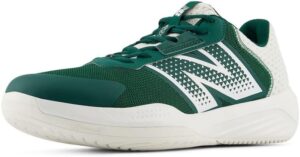
A great entry point for beginners.
Why it works:
Stable and forgiving
Comfortable out of the box
Durable for hard courts
Budget-friendly
This is a solid choice if you’re new, play casually, or want something dependable without overthinking it.
👉 Read the full New Balance 696v6 review
New Balance 996v6 (For Progressing Beginners)
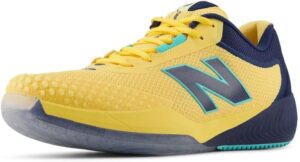
Once you’re playing more consistently, the 996v6 becomes an option.
Why it works:
Lighter and more responsive
Better suited for quicker movement
Performance-focused feel
This shoe makes more sense after you’ve built basic footwork and want something faster.
👉 See the New Balance 996v6 review
👉 Compare 696v6 vs 996v6
Do Beginners Need Expensive Tennis Shoes?
Short answer: No.
Most beginners:
Play 1–2 times per week
Are still learning footwork
Don’t need elite-level responsiveness
A mid-range shoe with good stability will outperform an expensive speed shoe if the fit and support are better.
How Long Should Beginner Tennis Shoes Last
On hard courts:
Casual play (1–2x/week): ~6–9 months
Frequent play (3x/week): ~4–6 months
If you notice:
Slipping
Outsole smoothing
Upper tearing near the toe
It’s time to replace them.
When to Upgrade Your Tennis Shoes
You may want to upgrade if:
You’re playing multiple times per week
You feel limited by weight or responsiveness
Your footwork has improved significantly
That’s when performance-oriented models like the 996v6 start to make sense.
Final Advice for Beginner Tennis Players
Don’t chase pro gear.
Chase comfort, stability, and consistency.
The best beginner tennis shoe:
Fits well
Feels stable
Let’s you focus on learning the game
Once your skills improve, your shoe choice can evolve with you.
Related Tennis Reads
- K-Swiss Hypercourt Express Tennis Shoe (another beginner-friendly option)